Relevant Information
SP-6G 2026 Venue
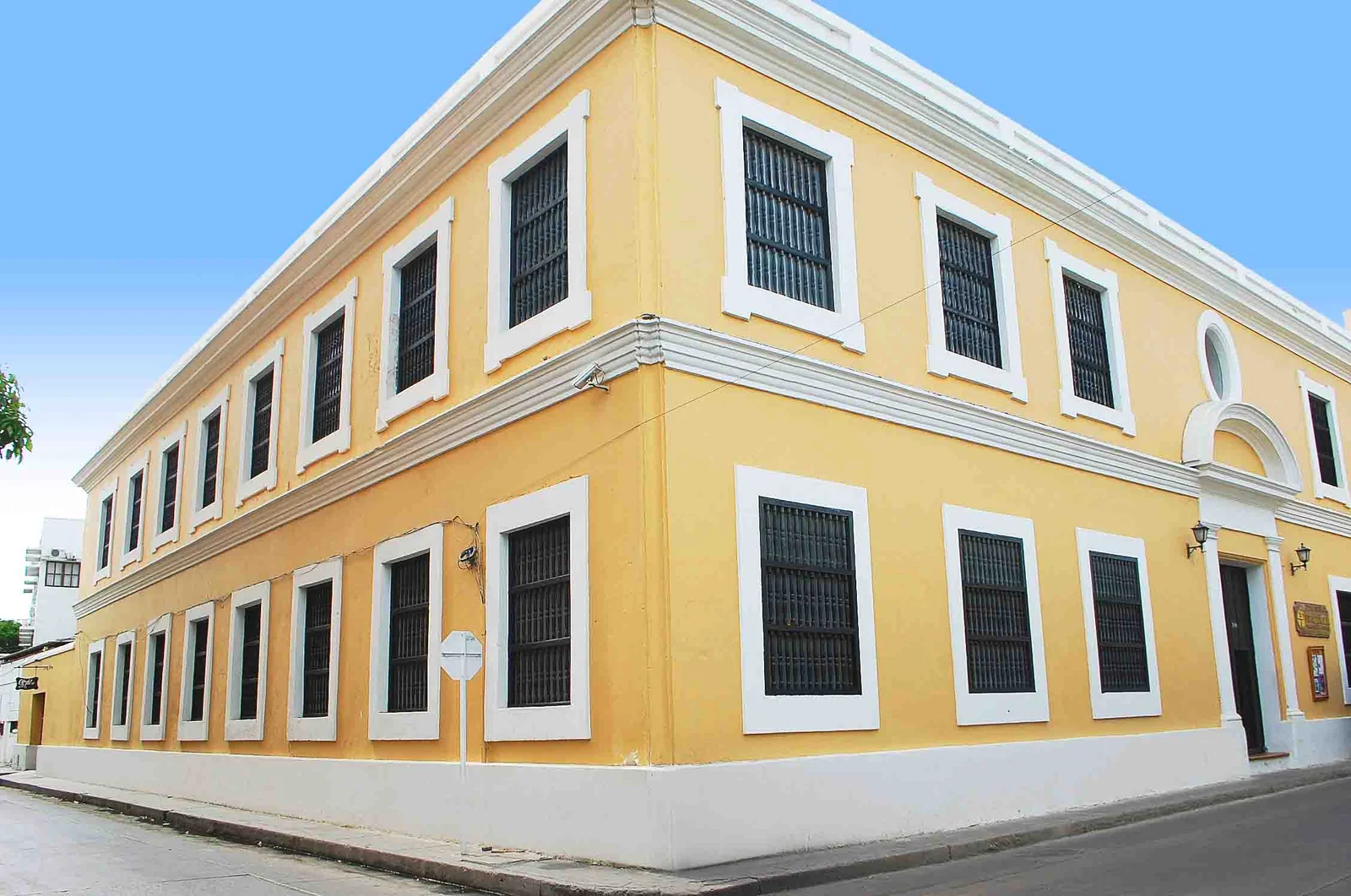
The SP-6G 2026 will be held at the Centro Cultural Claustro San Juan Nepomuceno, Cl. 16 #1C-72, Comuna 2, Santa Marta, Magdalena, Colombia.
Santa Marta City
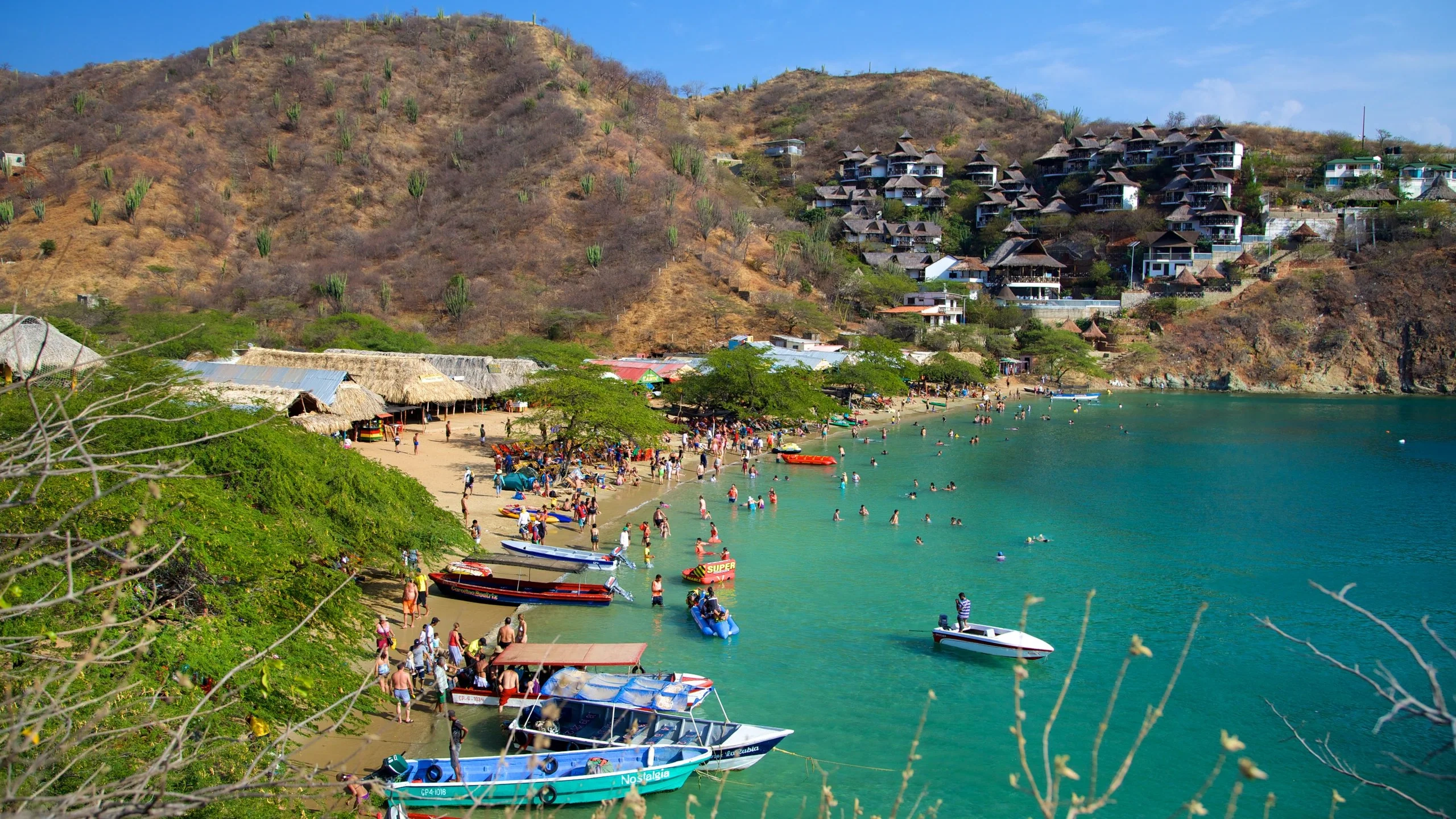
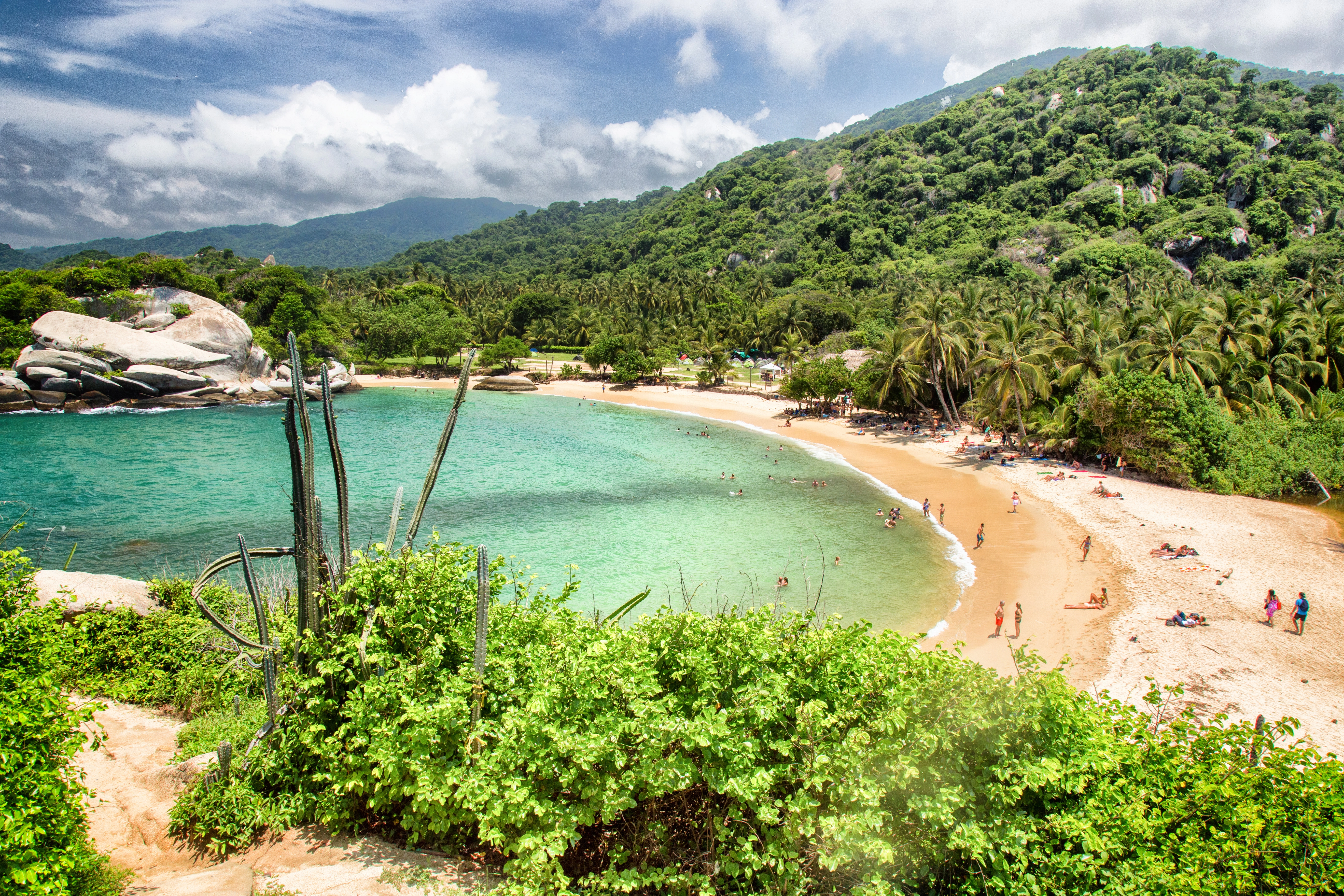
Santa Marta, officially the Tourist, Cultural and Historical District of Santa Marta, is a district of Colombia, capital of the department of Magdalena in the Caribbean Region. It was founded on July 29, 1525 by the Spaniard Rodrigo de Bastidas, making it the oldest standing city in Colombia and the second oldest in South America. This city, located in the bay of the same name, is one of the main tourist destinations in the country for its numerous beaches, nature reserves, its cultural and historical heritage and for being one of the accesses to the highest mountain in the world in the coastal area, the Sierra Nevada de Santa Marta and its ancient indigenous communities. Since 1991 it has been constitutionally organized as a Tourist, Cultural and Historical District.
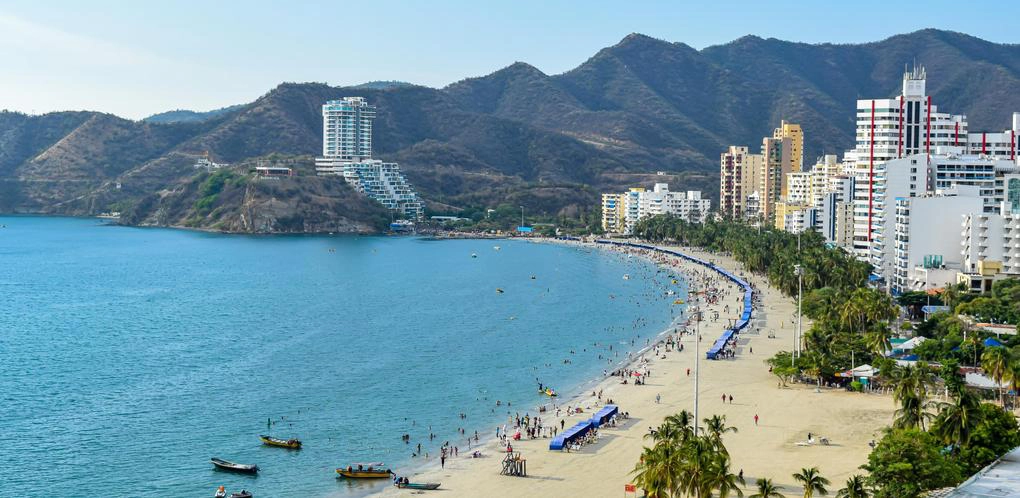
It is known for its tourist activities, the history of its streets and its beaches. The El Rodadero beach resort is one of the main destinations in the Colombian Caribbean. Its urban center is located between the Sierra Nevada de Santa Marta and the Caribbean Sea, and the Tayrona Park and Ciudad Perdida is under its jurisdiction. Among its cultural and historical attractions are the Casa de la Aduana, the Basilica Cathedral, the Banco de la República Library, the San Juan Nepomuceno Seminary, the Paseo Bastidas, the Quinta de San Pedro Alejandrino, the Plaza de Bolívar and the Los Novios Park.
Its most populated and most commercial nucleus is the central area, from where the city developed from the seventeenth century. The map between Carrera Primera and Santa Rita and del Ferrocarril avenues frames its historic center and its commercial center, and its beach tourism nucleus is also located in the area of El Rodadero.
Santa Marta is known for having been the place where Simón Bolívar died in 1830 in the Quinta de San Pedro Alejandrino, at that time it was on the outskirts of the city.
General Information about Santa Marta
- Country: Colombia (west)
- Location: Magdalena
- Status: Coastal city
- Population: Approximately 555,000
- Language: Colombian Spanish
- Currency: Colombian Peso (COP)
- Time Zone: UTC/GMT -5 hours
- Country Dialling Code: +57
- Telephone Area Code: 605
- Religion: Mainly Roman Catholic, with a small number of Protestants
- Average Daily Santa Marta January Temperature: 28°C / 83°F
- Average Daily Cancun July Temperature: 29°C / 85°F